
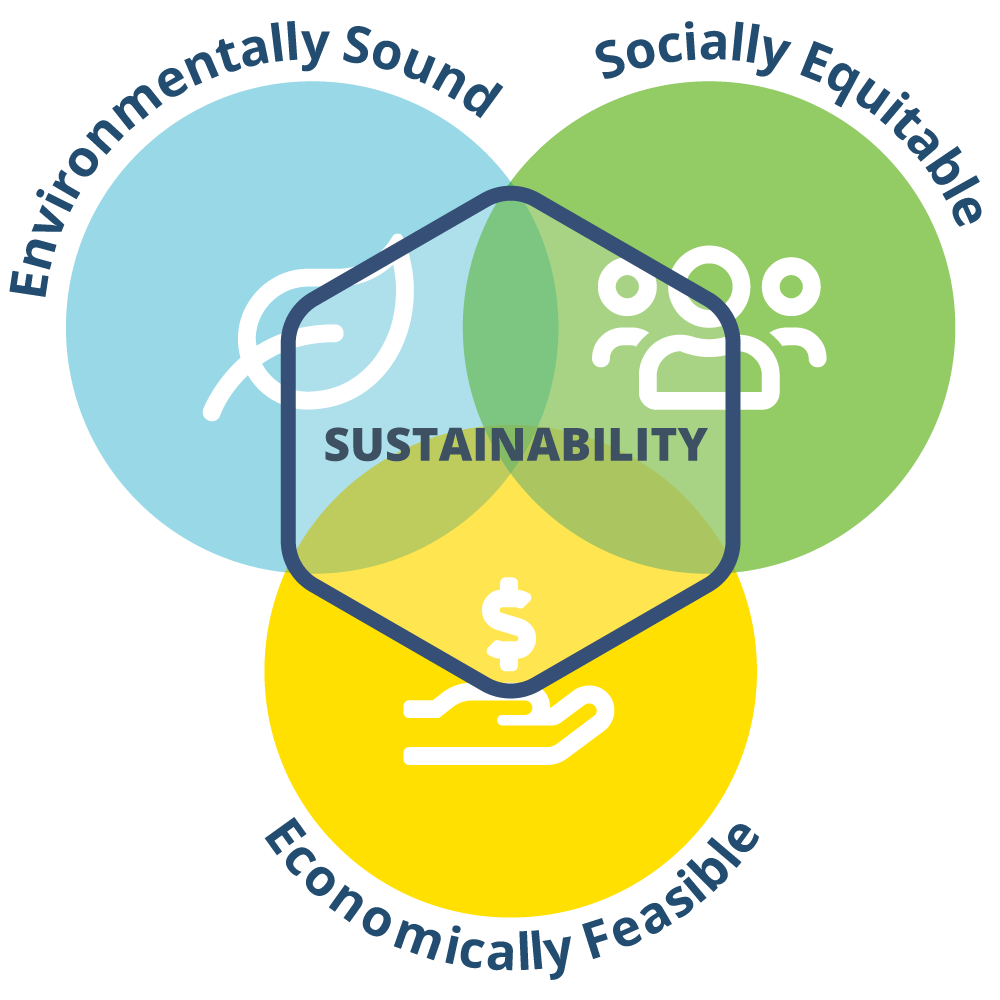

What is Sustainability? Sustainability is based on an easy concept: Whatever that we require for our survival and well-being depends, either straight or indirectly, on our natural environment. To pursue sustainability is to develop and preserve the conditions under which people and nature can exist in efficient harmony to support present and future generations.
EPA. Why Is Sustainability Important? dedicated the United States to sustainability, declaring it a national policy "to develop and preserve conditions under which people and nature can exist in productive harmony, that permit fulfilling the social, economic and other requirements of present and future generations." In the years given that NEPA was enacted, the public's interest in sustainability has broadened.
In the locations where the United States has seen considerable progress in sustainability, a common motorist for sustainability efforts is residents and other stakeholders issue. In addition, sustainability practitioners are ending up being more ambitious in their sustainability efforts and are collaborating to share best practices to make sure the greatest ecological, financial and social impact.
To motivate development, EPA developed a tactical method to incorporate sustainability principles into its work. How Does EPA Promote Sustainability? EPA has a range of methods, tools, guidances and programs that support the application of sustainability within decision-making including: Executive orders and government-wide practices also affect EPA's work. Discover more at the following links: Fed, Center Sustainability Page - guidance, examples, and information resources to help federal agencies in establishing and keeping sustainable centers.
Since 1951, The UPS Structure has worked to strengthen neighborhoods worldwide. Through charitable offering and the power of UPSers' volunteerism, we continue to create much better locations to live, work, and play for this generation, and the next.
Sustainability is the balance between the environment, equity, and economy The most often estimated meaning comes from the UN World Commission on Environment and Advancement: "sustainable development is advancement that fulfills the requirements of today without jeopardizing the capability of future generations to fulfill their own requirements." In the charter for the UCLA Sustainability Committee, sustainability is defined as: "the integration of ecological health, social equity and financial vigor in order to create flourishing, healthy, diverse and resilient neighborhoods for this generation and generations to come.
 0
0  Star
Star